Coin Grading Scale Explained: Good vs Fine vs Extremely Fine
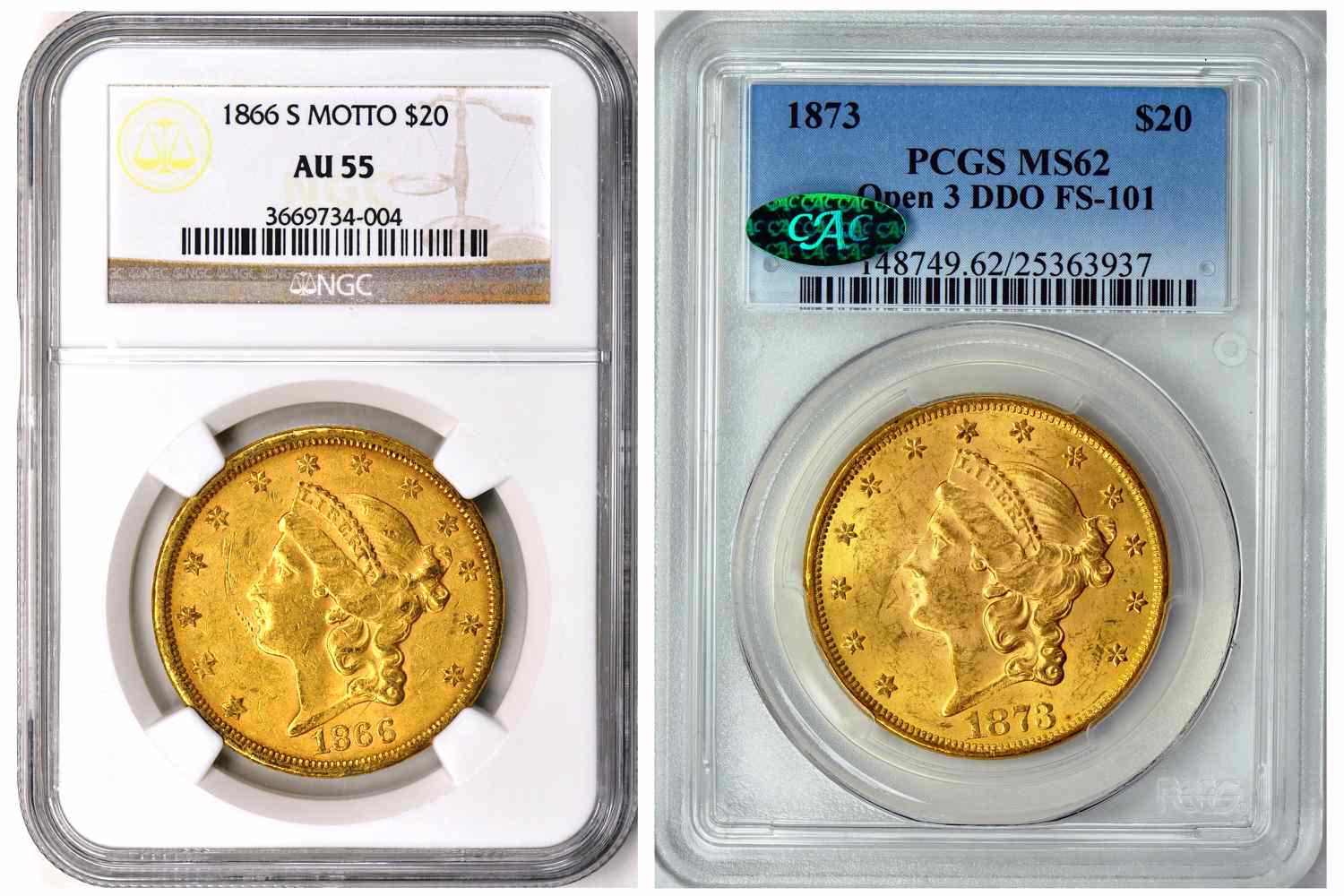
Coin Grading Scale Explained: Good vs Fine vs Extremely Fine
Welcome, fellow numismatists! Whether you're a seasoned collector or just starting your journey into the fascinating world of coin collecting, you've likely encountered terms like "Good," "Fine," and "Mint State." These aren't just subjective descriptions; they are part of a detailed coin grading scale that forms the backbone of the hobby. Understanding this scale is the single most important factor in determining a coin's authenticity, condition, and ultimately, its value.
Why Coin Grading Matters
Imagine finding two identical coins—same year, same mint mark. One might be worth $10, while the other could be worth $10,000. What accounts for this staggering difference? The answer is its grade. A coin's grade is a standardized measure of its physical condition. A higher grade signifies less wear and tear, more original detail, and a more pristine appearance.
For collectors, grading provides a universal language to:
- Determine Value: A coin's grade is directly correlated with its market value. A small difference in grade can mean a monumental difference in price.
- Ensure Authenticity: Professional grading services also authenticate coins, protecting you from counterfeits.
- Facilitate Trade: Standardized grades allow collectors to buy and sell coins with a shared understanding of their condition.
A Brief History: The Sheldon Scale
The modern 70-point grading scale used today is known as the Sheldon Scale. It was developed by Dr. William Sheldon in 1949, initially for grading Large Cents. He theorized that a Mint State 70 (MS-70) coin would be worth 70 times more than a Poor 1 (P-1) coin. While the direct value correlation is no longer a rule, his numerical system provided the granular detail needed for a consistent and reliable grading standard.
The Coin Grading Scale: From Poor to Perfect
Let's break down the major levels of the coin grading scale. Coins are broadly divided into two categories: Circulated (grades 1-58) and Uncirculated or Mint State (grades 60-70).
Circulated Grades
These coins show evidence of being used in commerce. The amount of wear determines the specific grade.
Poor (P-1)
- Visual Cues: The coin is barely identifiable. It will be heavily worn, with the date and mint mark often obliterated.
Fair (FR-2)
- Visual Cues: Similar to Poor, but slightly more detail is visible. The date and mint mark may be partially legible.
About Good (AG-3)
- Visual Cues: The date is mostly readable, but some digits might be worn away. The main design is heavily worn but visible.
Good (G-4, G-6)
- Visual Cues: This is a key distinction in the Good vs Fine debate. A "Good" coin is heavily worn, but the main design and legends are clear. The rims are mostly full.
Very Good (VG-8, VG-10)
- Visual Cues: The design is still worn, but major elements are more distinct. You'll see some separation in the finer details.
Fine (F-12, F-15)
- Visual Cues: Here, the term "Fine" indicates moderate wear, with sharper details than "Good." About 50% of the original design detail is visible.
Very Fine (VF-20, VF-25, VF-30, VF-35)
- Visual Cues: Moving up the scale, a "Very Fine" coin shows light to moderate wear but retains at least 75% of its original detail.
Extremely Fine (XF-40, XF-45 or EF-40, EF-45)
- Visual Cues: An Extremely Fine coin has very light wear, confined to the highest points of the design. Over 90% of the original detail is present.
About Uncirculated (AU-50, AU-53, AU-55, AU-58)
- Visual Cues: This is the highest grade for a circulated coin. It looks almost uncirculated, with just a trace of wear on the highest points.
Uncirculated (Mint State) Grades
Mint State (MS) coins show no signs of wear from circulation. Any imperfections are a result of the minting process, handling, or storage.
Mint State (MS-60 to MS-70)
- MS-60 to MS-62: These coins are considered "uncirculated" but are not visually appealing. They may have heavy contact marks, a weak strike, or faded luster.
- MS-63 to MS-64: A choice or select uncirculated coin with a decent strike and acceptable mint luster.
- MS-65 to MS-66: This is the "Gem" category. High-quality coins with a strong strike and vibrant mint luster.
- MS-67 to MS-68: Superb Gem. Exceptional eye appeal with minuscule marks.
- MS-69: Near Perfect. An extraordinary coin with only minuscule imperfections.
- MS-70: The Perfect Coin. Flawless under 5x magnification.
How Grading Drastically Affects Value: A Real-World Example
Let's consider a classic American coin: the 1909-S VDB Lincoln Cent.
- In Good (G-4) condition: $600 - $700
- In Fine (F-12) condition: $800 - $900
- In Extremely Fine (XF-40) condition: $1,200 - $1,500
- In About Uncirculated (AU-50): $1,800 - $2,200
- In Mint State (MS-63): $3,000 - $4,000
- A Gem MS-65 example: $5,000 - $7,000 or more
As you can see, the difference between a circulated grade and a Mint State grade is thousands of dollars.
Conclusion: Grade with Confidence
The coin grading scale is a nuanced and detailed system, but mastering it is the key to unlocking the full potential of your collection. By learning to distinguish between grades like Good, Fine, and Extremely Fine, you can make smarter purchasing decisions and understand the true value of your coins.
Ready to take the guesswork out of grading? The CoinSensei app is here to help. Using state-of-the-art AI, CoinSensei allows you to instantly identify and grade your coins with just a photo. Join our waitlist today and become a grading expert overnight!
CoinSensei Team
Expert numismatists and developers building tools to help collectors understand and value their coins. Our team combines decades of coin collecting experience with cutting-edge AI technology.